The only way to become good at something is to start out by being bad at it.
That was a hard-learned lesson for me this past fall, when I attempted - and eventually succeeded - at sewing a silk blouse.
I’ve been sewing clothing intermittently for about fifteen years on the same amateur Singer sewing machine that I bought myself at the end of high school. Although I’m not extremely skilled, I know my way around clothing; even if I can’t perform the techniques, I know how to recognize them. My mom taught me almost everything I know about sewing - my vintage clothing collection filled in the gaps.
A few months ago, I saw an $800 blouse that I really loved. It was based on a very common vintage style, so finding a pattern for it was easy. Having more time than money, I decided I would sew the top myself - using the same luxurious silk materials of the designer version. What I knew - but didn’t really know know - was that the markup of a designer item is almost always about expertise, not about the cost of materials, or even the originality of the design.
Because I would be making the blouse in silk, which is expensive even just straight off the bolt, I started with a cotton muslin mockup to test and adjust the fit. Using a very cheap cotton fabric and contrasting thread, I made all of my adjustments to the design on this piece. I used the vintage pattern Simplicity 8442 for the muslin - and the pieces I cut from that became the pattern for the silk piece.
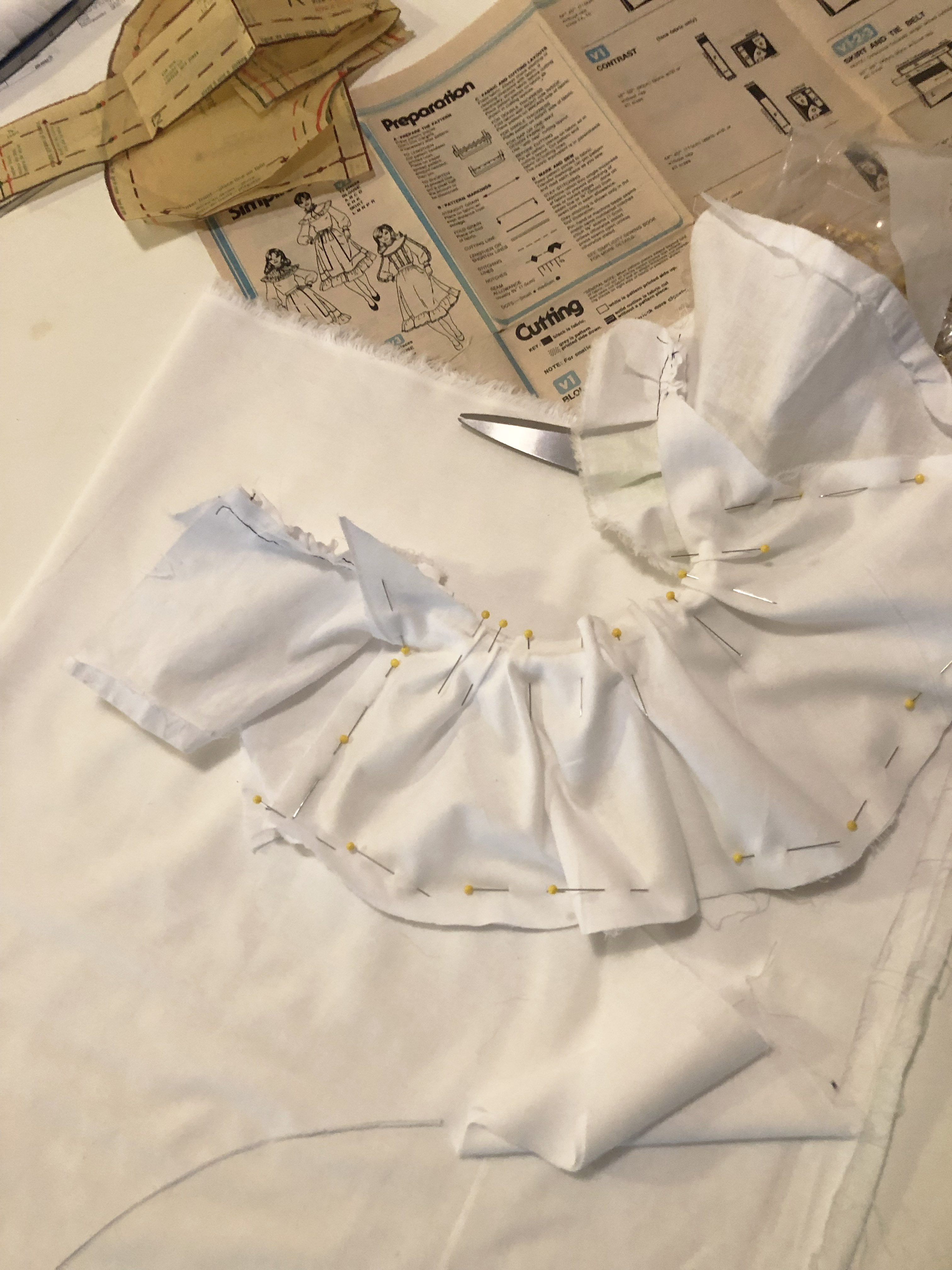
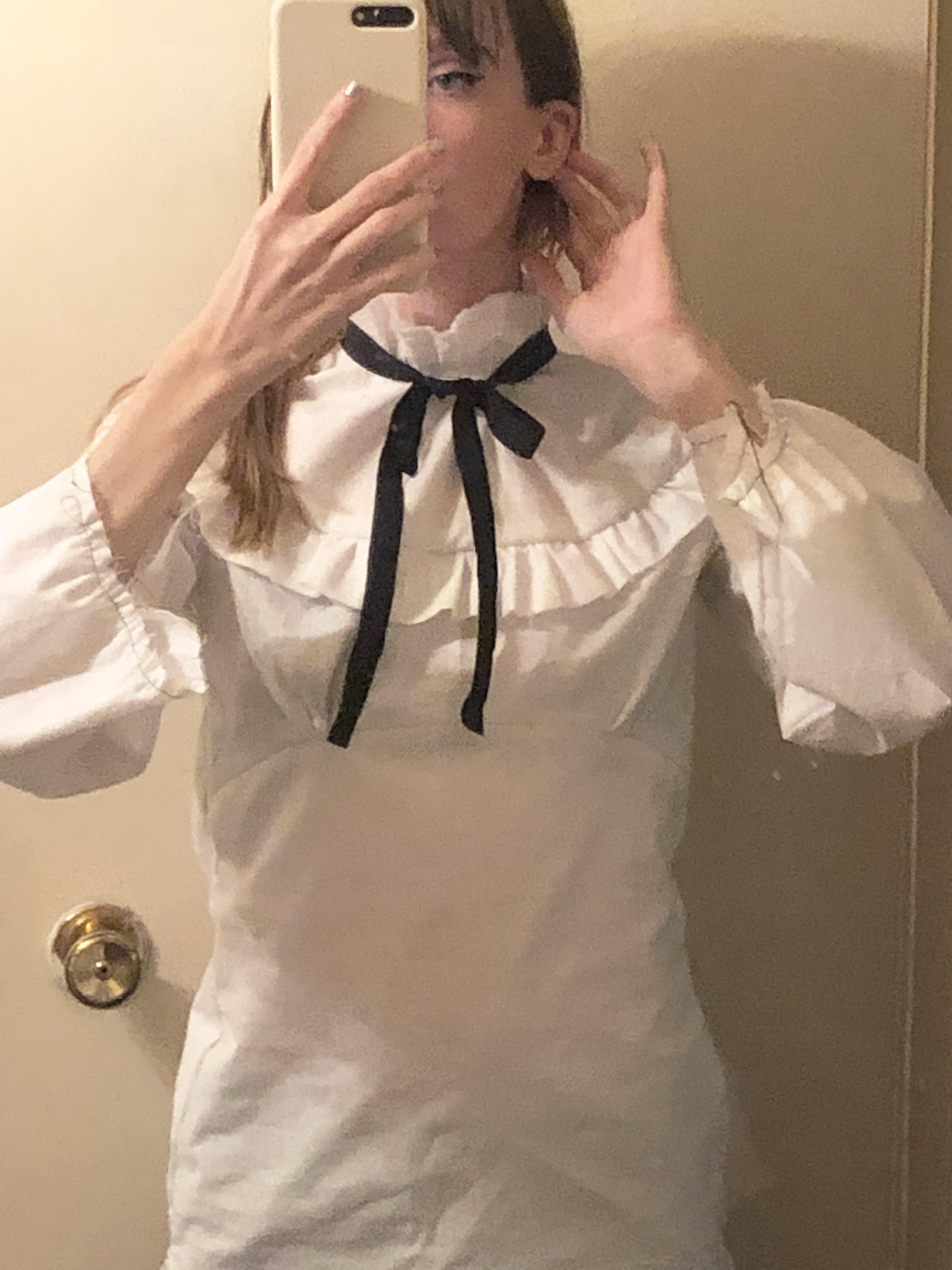
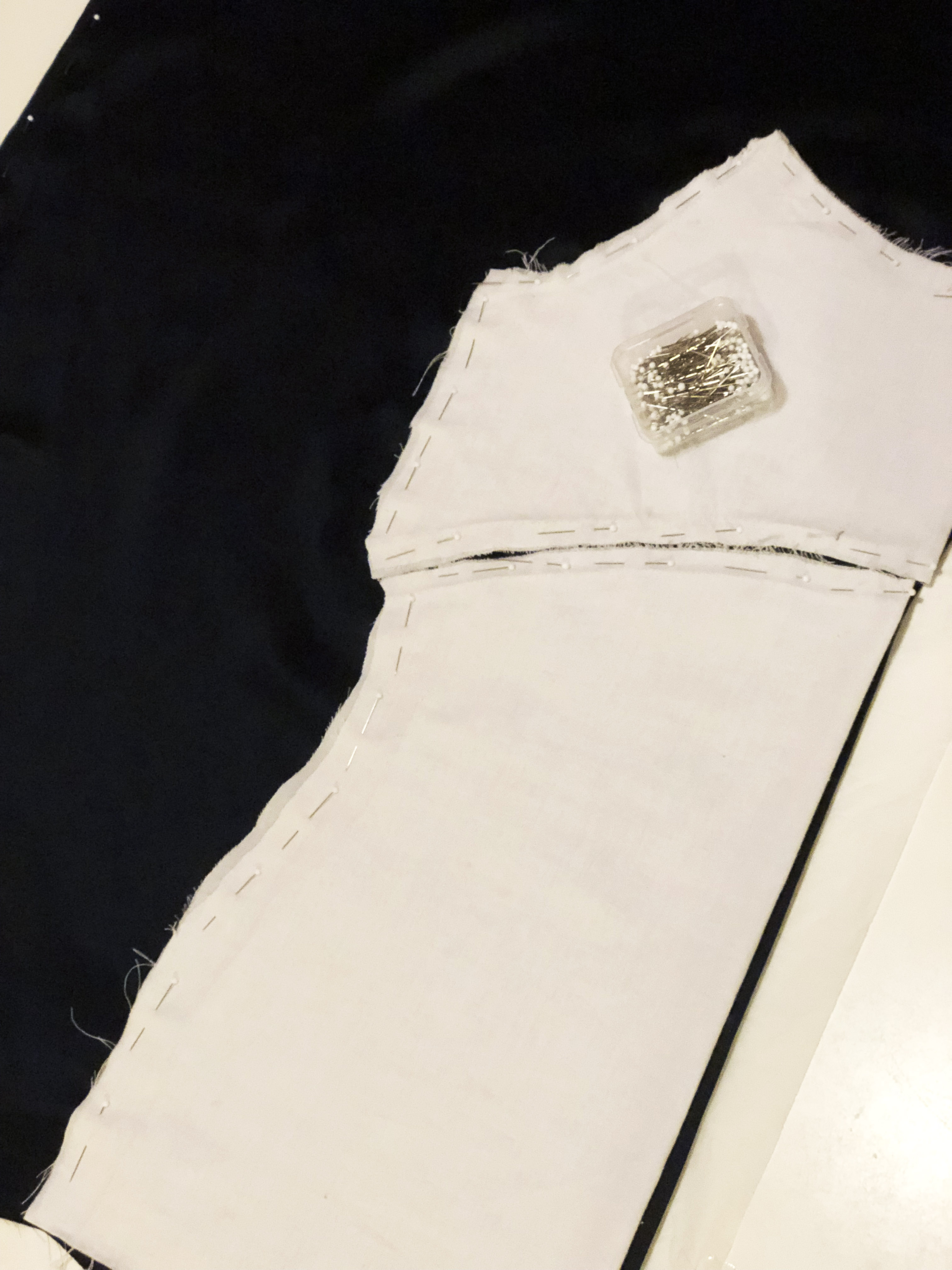
The pattern was extremely easy to work with - it took me a matter of hours to finish the mockup, which I then deconstructed and pinned to the silk. I felt so confident that the final blouse would be easy, as long as I went slowly and cautiously, and ripped seams as needed. I couldn’t have been more wrong!
What I began to realize extremely quickly was that sewing in silk is almost unlike sewing with anything else at all; it’s slippery, delicate, extremely pliable. It shapeshifts under touch. For all these reasons, it requires a separate toolkit from cotton and other fabrics - different straight pins, different sewing needles, and different scissors.
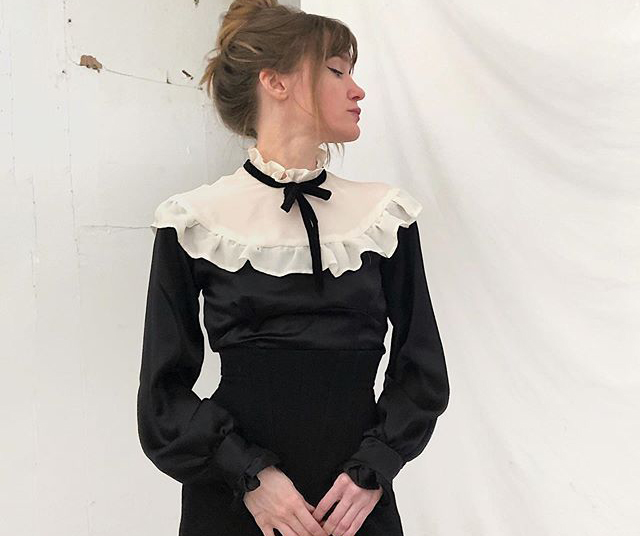
Trial & error was the MO for this project. In fact, I was so frustrated I almost felt I’d failed. I told myself I’d never work with silk again - which is still true today, though I have used other slippery fabrics since. I’m happy with the finished piece, and I’ve worn it out several times.
It was a humbling experience not because it was difficult, but because I thought I was good at something, and I discovered that I had so much to learn. The most rewarding projects - and skills - are those that always give us a chance to grow.